
Medical information is not used for any of the purposes listed above. therefore, the personnel records review act does not mandate that employees have access to separate medical files, which employers should have. hr professionals have long been advised to keep any medical information about an employee in a separate file due to concerns about privacy and the americans with disabilities act (ada). Medicalfile. under the health insurance portability and accountability act (hipaa), federal law requires employers to protect medicalrecords as confidential information that is kept separate and apart from other business records. medical information may not be retained in a personnel file. the americans with disabilities act (ada) also.
Medical File Not Part Of Personnel File Hr Source
A propublica report found more than 180 servers on which people’s medical records were available with minimal or no safeguards. an award-winning team of journalists, designers, and videographers who tell brand stories through fast company's. A personnel file is a paper or electronic folder for storing hr and payroll documents related to new, existing, or past employees. it should include basic employee and compensation information in compliance with federal and state labor laws. understanding what employment records to store in a secure personnel file helps you avoid potential mistakes and.
The letter suggested that if an employer asks to see an employee’s or job applicant’s medical records, it should include a warning that if it acquires genetic information in the process, that. Medical file not part of personnel file. by angela adams, cebs, sphr, director, human resource services published january 12, 2016 question: an employee requested a copy of his personnelfile. per the illinois personnelrecords review act, we complied. he’s now saying that the file did not contain “medical information” that he’s looking for, and he wants a copy of his “medical” file. The health insurance portability and accountability act of 1996 (hipaa) requires employers files personnel and medical records to protect employee medical records as confidential; medical records should be stored separately and apart from other business records. never store employee medical records in the employee’s general personnel file. A hacker claims to have stolen just shy of 10 million records, and is putting them on for sale on the dark web for about $820,000. the hacker posted the records on the site therealdeal, and the data includes social security numbers, address.
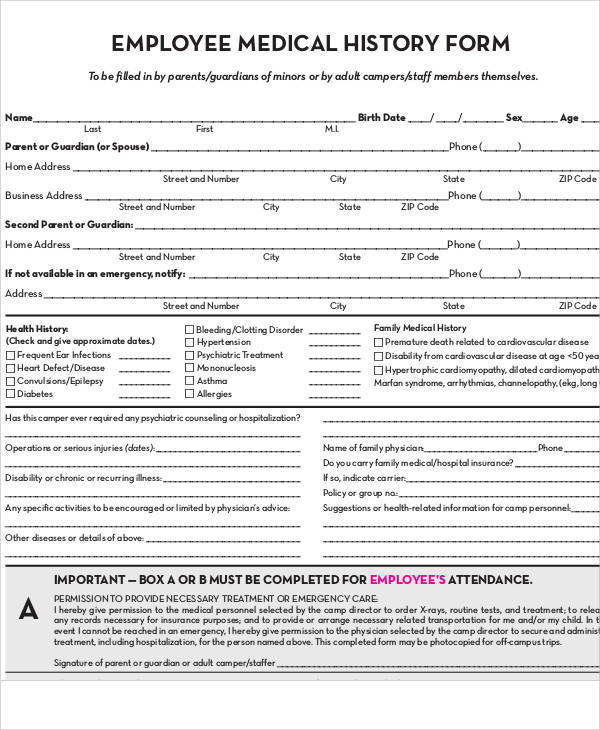
Filing a claim for medical benefits? the official military personnel files (ompf), held at the national personnel records center (nprc), are administrative records containing information about the subject's military service history. many ompfs contain both personnel and former active duty health records, but the service branches discontinued retiring the health record portion to the nprc in. Personnelrecords. personnelrecords detail an employee’s performance, knowledge, skills, abilities, and behavior as it relates to their job. federal law requires employers to keep employees’ personnel files for at least one year. personnel records are kept for business or legal purposes and may include:. The rule does protect your medical or health plan records if you are a patient of the provider or a member of the health plan. requests from your employer your employer can ask you for a doctor’s note or other health information if they need the information for sick leave, workers’ compensation, wellness programs, or health insurance. The rule does protect your medical or health plan records if you are a patient of the provider or a member of the health plan. requests from your employer your employer can ask you for a doctor’s note or other health information if they need the information for sick leave, workers’ compensation, wellness programs, or health insurance.
Any medical information belongs in the medical file. payroll information belongs in the payroll file. ; documents that include employee social security numbers or information about an employee's protected classifications such as age, race, gender, national origin, disability, marital status, religious beliefs, genetic makeup, weight, and so forth should never be kept in the personnel files. Some states have laws that govern retention periods for personnel files that differ from the eeoc regulations. further, record retention periods may be longer if the employer has affirmative.
Medical File People Culture
fire incidents uses your ehr data to automatically file nfirs reports for medical aid calls plus a whole lot more personnel management master record-keeping for fire personnel pm takes the worry Finally, employers should be mindful that personnel records that may contain references to, or information about, other employees. investigations memoranda, internal complaints, and disciplinary files files personnel and medical records frequently focus on multiple employees, and are often cross-referenced in employee files.
Confidential patient medical records are protected by our privacy guidelines. patients or representatives with power of attorney can authorize release of these documents. we are experiencing extremely high call volume related to covid-19 va. First aid records (not including medical histories) of one-time treatment and subsequent observation of minor scratches, cuts, burns, splinters, and the like which do not involve medical treatment, loss of consciousness, restriction of work or motion, or transfer to another job, if made on-site by files personnel and medical records a non-physician and if maintained separately from the employer's medical program and its records, and. But records that concern your medical status are absolutely private and should always be maintained separately from your employment records. employee files employee files contain personal information about workers, including social security numbers, emergency contact names, salary and wage data, work authorization documents and records.
How to record an mp3 file techwalla.
Each time you hop up files personnel and medical records on a doctor's exam table, somebody makes a note in your medical records. there may come a time when you need your medical information, so find out how to get it and how it's protected. each time you climb up on a doctor. It’s a patient’s right to view his or her medical records, receive copies of them and obtain a summary of the care he or she received. the process for doing so is straightforward. when you use the following guidelines, you can learn how to.
Personnel file: what to include & not include [+checklist].
The add new screen allows you to enter a new listing into your personal medical events record. an official website of the united states government the. gov means it’s official. federal government websites always use a. gov or. mil domain. b. Medical file. under the health insurance portability and accountability act (hipaa), federal law requires employers to protect medical records as confidential information that is kept separate and apart from other business records. files personnel and medical records medical information may not be retained in a personnel file. the americans with disabilities act (ada) also imposes very strict rules for handling information obtained through post-offer medical examinations and inquiries. Since the beginning of the covid-19 pandemic we have taken steps to attend to the enormous magnitude of covid-19 related submissions, adopting agile approaches. Can an employer add to a personnel file after termination?. because an employee's personnel file belongs to the employer, not the employee, the employer can add to personnel files even after a worker has been terminated. that said, employer.
Under the ada, for example, medical records and information must be kept in a file that's separate from the employee's regular personnel file, and must be kept confidential (for example, in a separate locked file cabinet or online behind a secure firewall). these records may be seen only:. Keeping personnel files and medical records confidential generally, you should treat personnel files as private records belonging to you and your individual employees. you don't want to allow just anyone in the company to rummage through the performance evaluations, salaries, and job applications of coworkers.
Any medical information belongs in the medical file. payroll information belongs in the payroll file. documents that include employee social security numbers or information about an employee's protected classifications such as age, race, gender, national origin, disability, marital status, religious beliefs, genetic makeup, weight, and so forth should never be kept in the personnel files. Whether you're interested in reviewing information doctors have collected about you or you need to verify a specific component of a past treatment, it can be important to gain access to your medical records online. this guide shows you how. Personnel files and records. effective january 1, 2013, california law provides that current and former employees (or a representative) have the right to inspect and receive a copy of the personnel files and records that relate to the employee's performance or to any grievance concerning the employee.
